How to Read Fabric Labels Like a Pro
 Wes Fabrics Global
Introduction
You’ve found the perfect print or texture — but what does that little tag or product description actually mean? Fiber percentages, strange laundry icons, “GSM,” “warp” and “weft” can all look like a foreign language. Learning how to read fabric labels will save you money, prevent mistakes, and help you choose textiles that perform the way you expect. Here’s a clear, beginner-friendly guide.
1. Start With Fiber Content
The fiber content tells you what the fabric is made of — cotton, polyester, silk, blends, etc. Natural fibers breathe differently from synthetics; blends may add strength or reduce cost. By understanding fabric labels you can predict drape, warmth, and durability before you buy.
2. Decode Fabric Label Symbols
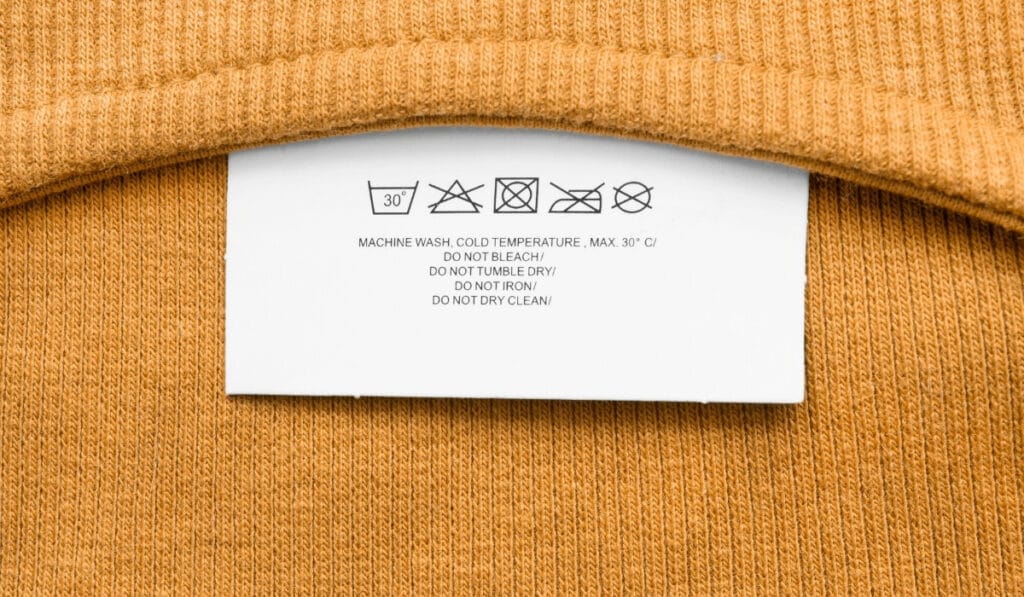
Those tiny laundry icons are standardized care symbols used worldwide. For example:
• A bucket of water = wash temperature
• A triangle = bleach use
• A square with a circle = tumble dry
Learning these fabric label symbols means you can wash correctly without guessing.
3. Check the Fabric Weight or GSM
Some labels list GSM (grams per square meter) or oz/yd². This number indicates how heavy or light the fabric is. Higher GSM = heavier and more durable; lower GSM = lighter and drapier. This fiber content explanation helps you match fabric to your pattern or project.
4. Look for Stretch or Weave Information
Labels may mention “knit,” “woven,” “stretch,” “warp,” or “weft.” This tells you how the fabric is constructed and whether it will stretch. Knowing this helps you cut and sew correctly.
5. Note Country of Origin and Certification
Some labels list origin or eco-certifications (like OEKO-TEX® or GOTS). These can signal environmental or ethical standards, which matter if you’re building sustainable projects. This makes your own textile label guide more complete over time.
6. Keep a Label Decoder Handy
If you’re unsure, bookmark an online fabric label decoder or keep a small printout in your sewing kit. Over time you’ll memorize the most common icons and terms.
Closing Thoughts
Reading fabric labels isn’t about being perfect — it’s about being informed. The more you understand the information on that little tag, the better your sewing, washing and storage decisions will be.
Share in the comments so we can tackle it together.